
Standard Post Format

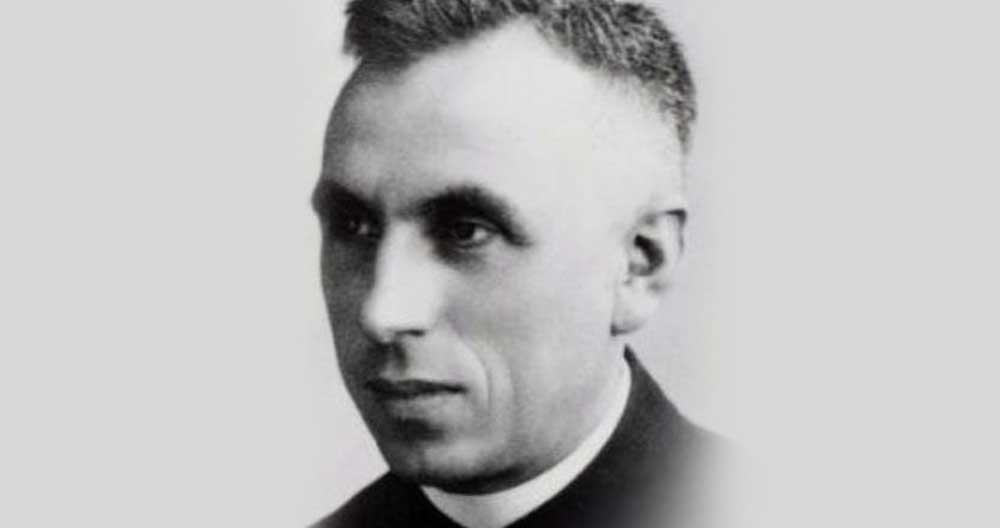
Giorgio Häfner - Luigi dei Sacri Cuori

Georg Häfner nacque il 19 ottobre 1900 a Würzburg in Baviera da Valentin e Barbara Hewig Ulsamer, persone semplici, umili e credenti, che seppero trasmettergli un’educazione sana e una fede profonda. Venne battezzato il 28 ottobre 1900 con il nome di Giuseppe Giorgio Simone.
Fin da fanciullo, rese manifesta la sua forte inclinazione alla vita sacerdotale. Si prodigò come chierichetto nel servizio della messa, e molto spesso intratteneva i suoi compagni giocando ad imitare il sacerdote nell’atto della celebrazione eucaristica. Grazie ai molti sacrifici economici compiuti dai suoi genitori, il giovane Georg iniziò a frequentare gli studi ginnasiali.
Nel 1918 conseguì il diploma di maturità e, a causa del conflitto mondiale, fu reclutato nell’esercito, dove però non si rese mai partecipe di nessuna azione militare. Nel 1919 intraprese, in preparazione al sacerdozio, gli studi di filosofia e poi di teologia presso l’Università della sua città natale e l’11 gennaio del 1920 entrò anche a far parte del Terz’Ordine Carmelitano ricevendo il nome di Frater Aloisius del Santissimo Sacramento.
Ottenuto il diploma di laurea in teologia, il 13 aprile 1924, nella chiesa del Seminario St. Michael di Würzburg, fu ordinato presbitero dall’Arcivescovo di Bamberga Mons. Jacob von Hauck. Subito dopo l’ordinazione sacerdotale, svolse il suo ministero pastorale in diverse parrocchie fino al 12 novembre 1934, data in cui fu nominato parroco di Oberschwarzach. Qui egli si distinse per lo straordinario zelo, la grande carità e la ferma fede.
Il Venerabile Servo di Dio adempì sempre ogni suo dovere sacerdotale con grande umiltà, sempre silenzioso e in costante preghiera. Il suo desiderio più grande fu quello di cercare di formare dei cristiani consapevoli dei doveri e fedeli alle pratiche religiose.
Per la sua feconda attività pastorale, incentrata anche nell’insegnamento della religione nelle scuole statali, il parroco di Oberschwarzach fu considerato un vero nemico del regime nazionalsocialista per aver divulgato i principi cristiani, considerati contrari allo Stato. A tal proposito, i nazisti iniziarono a cercare diversi espedienti per poterlo ostacolare ed arrestare. Non trovando nessun capo di accusa valido si ricorse ad uno stratagemma. Fu, infatti, durante il funerale di una guardia forestale che venne data ai suoi nemici l’occasione di denunciarlo alla Gestapo. Don Georg, in quell’occasione, dichiarò, durante l’orazione funebre che il defunto, prima di morire, si era riconciliato con la Chiesa Cattolica, affermando la non validità del suo secondo matrimonio contratto solo con il rito civile.
Il 31 ottobre 1941 pertanto il Servo di Dio fu ingiustamente arrestato, interrogato e imprigionato nel carcere di Würzburg con l’accusa di “comportamento ostile ai danni dello Stato”. Considerato prigioniero politico, Don Georg, il 12 dicembre 1941, fu deportato dalle autorità naziste nel campo di concentramento di Dachau.

Durante il periodo della persecuzione e della prigionia, il Servo di Dio non smise mai di predicare i saldi principi della fede cristiana, dimostrandosi fermo anche nella sopportazione di tutte le sofferenze fisiche e morali. Egli portò la croce compiendo ed accettando in ogni istante la volontà di Dio.

Morì di stenti il 20 agosto 1942.

La cerimonia della beatificazione si è svolta a Würzburg il 15 maggio 2011.

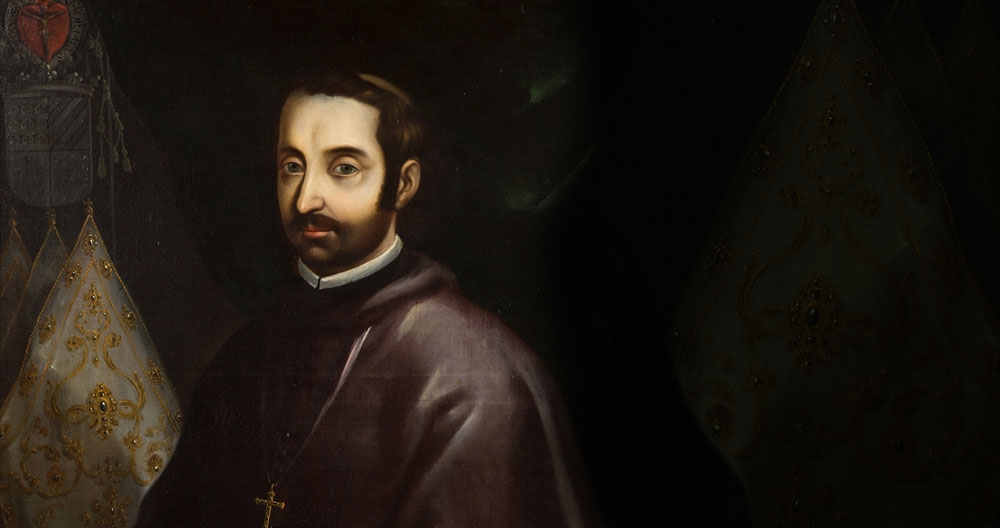
Juan de Palafox y Mendoza (Vescovo)

Juan de Palfox y Mendoza was born in Fitero (Navarre), Spain, on June 24, 1600, and was baptized on June 29, the feast of St. Peter, to whom he was always to have a special devotion.

In 1610 for his education he was entrusted to the care of the Bishop of Tarazona Don Diego de Yepes, and for five years he attended the College of the Society of Jesus in the city of Tarazona, from where he then passed to the Universities of Huesca, Alcalá and Salamanca. After finishing his studies, in 1621 he returned to Ariza, where he ruled the states of his father the Marquis and had the opportunity to read and deepen in many other authors and texts.

Through the interest of the Count-Duke of Olivares he was offered posts and honours in the Madrid of Philip IV, first in the Council of War in 1626, and from 1629, in that of the Indies, distinguishing himself in a noteworthy manner for his prudence and intelligence in his interventions in both.

In 1629 a decisive event took place in his life, in that after a year of intense preparation, in prayer and penance, he received priestly ordination on 15th of April. Shortly after his ordination, the King gave him the mission of accompanying, as chaplain and almoner, his sister Maria, who had become the wife of the King of Hungary, the future Emperor. It was during this journey of over a year to Europe that his mystical encounter with the Humanity of Christ took place through a Crucifix, with its arms and legs broken by heretics. He felt that the Crucifix asked him not to leave it abandoned there; he took it with him, had it restored, and it was his traveling companion for the rest of his life..

In 1639, after appropriate consultations, Don Juan de Palafox was appointed to the episcopal see of Puebla de los Ángeles, with the addition of other important positions of government in New Spain, such as that of Visitator. He left for the Indies in 1640 and remained there until 1649, carrying out important assignments in the service of the monarchy and the Church, not without sorrows and misunderstandings on the part of those who refused to submit to the directives of ecclesiastical discipline and to the order established by the laws of the monarchy. In those lands Blessed Palafox is still remembered as the great reformer, the tireless pastor of souls, the protector of the dispossessed and the natives, and also as the builder of the cathedral and numerous other buildings, and the founder of the Palafox Library, consisting of several thousand volumes that he donated from his private library brought from Spain..

As a prelate, he distinguished himself for his pastoral and educational attention, creating the Colleges of St. Peter and St. Paul for the formation of seminarians, erecting in them and endowing chairs of indigenous languages, without the knowledge of which he would not ordain priests. The construction of the cathedral, parish churches and other foundations were always at the centre of his attention, as well as the instruction of the faithful people in the doctrine of the faith, through the catechesis that he himself imparted in his visits.

As a good canonist and zealous pastor, he was particularly concerned to apply strictly the norms promulgated by the Council of Trent, concerning ecclesiastical discipline, Eucharistic worship, and that of Mary and of the saints, the dignity of the liturgy and song, and, above all, those concerning one of his most constant concerns, the formation of the clergy..

Bishop Palafox had to return to Spain, by order of the king, following the problems that arose around his interventions as a reformer, but he continued governing the diocese, by means of his vicars and pastoral letters until 1654, in which year he was transferred to the see of Osma, where he continued exercising his pastoral zeal until his holy death, which took place in the episcopal palace of that city on October 1st, 1659.

The beatification ceremony took place on June the 5th, 2011.


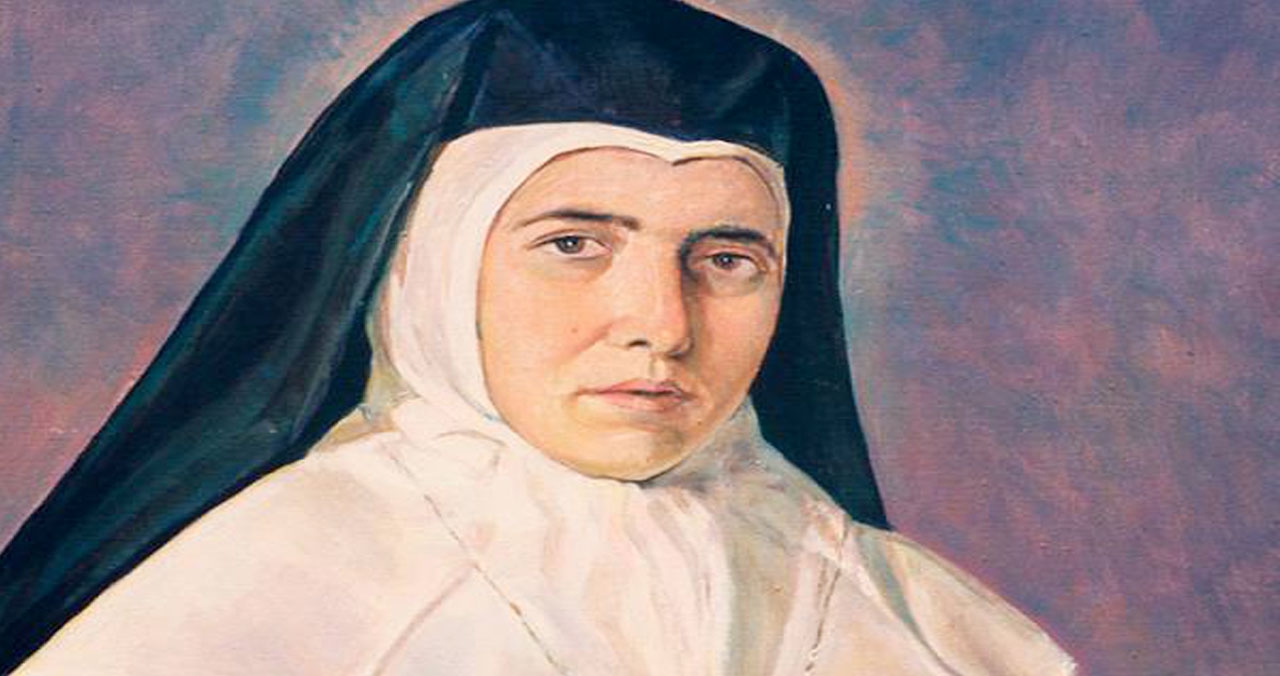
Giovanna Maria Condesa Lluch

Nacque a Valencia (Spagna) il 30 marzo 1862, in una famiglia cristiana di buona posizione socio-economica. Fu battezzata il 31 marzo 1862 nella chiesa di Santo Stefano, nella quale furono battezzati anche San Vincenzo Ferrer e San Luigi Bertrán. Ricevette una accurata formazione umana e cristiana, che contrastava con la mentalità razionalista che si apriva lentamente nella società valenciana del momento e che dette luogo ad una ondata di scristianizzazione. Nel periodo dell'adolescenza e della gioventù, rafforzò la sua vita come cristiana, nutrendosi delle devozioni religiose proprie del momento storico in cui visse, specialmente della devozione a Gesù Sacramentato, all'Immacolata Concezione, a San Giuseppe e a Santa Teresa che la portarono, a loro volta, ad acquisire progressivamente una maggiore sensibilità ed impegno verso i più bisognosi.

Molto presto scoprì il dono dell'amore di Dio che stava sfociando abbondantemente nel suo cuore (cfr. Rm 5, 5) e fece propria la missione di accogliere questo dono nella sua vita allo scopo di essere «Santuario di Dio, dimora dello Spirito» (cfr. 1 Cor 3, 16). La sua intensa vita di preghiera, la sua costante relazione con Dio, furono la forza che resero possibile che in ella maturassero i frutti propri di colui che vive secondo lo Spirito: la gioia, l'umiltà, la costanza, il dominio di se stesso, la pace, la bontà, la dedizione, la laboriosità, la solidarietà ... la fede, la speranza e l'amore. Per tutto questo, coloro che la conobbero ce la presentano come una donna che «Riuscì a vivere l'ordinario in modo straordinario».

Aveva appena 18 anni, quando scoprì che la volontà di Dio sulla sua vita era quella di darsi tutta ed abbandonarsi del tutto alla causa del Regno, per mezzo dell'evangelizzazione e del servizio alla donna operaia, interessandosi alle condizioni di vita e lavorative di queste giovani: una realtà di sofferenza che osservava dalla carrozza che la conduceva da Valencia alla spiaggia di Nazaret, dove la famiglia aveva una casa per riposo e sollievo.

Nel 1884, dopo vari anni di difficoltà ed ostacoli posti, specialmente, dall'allora Arcivescovo di Valencia, il Cardinale Antolín Monescillo, che la reputava troppo giovane per portare a compimento la proposta che gli fece di fondare una Congregazione Religiosa, ottenne da questo il permesso necessario per aprire una casa che accogliesse, formasse e ridesse dignità alle operaie che, dato il crescente processo di industrializzazione del secolo XIX, si spostavano dai paesi alla città per lavorare nelle fabbriche, dove erano considerate meri strumenti di lavoro; «Grande è la tua fede e la tua costanza. Vai ed apri un asilo per queste operaie per le quali con tanta sollecitudine ti interessi e per le quali il tuo cuore sente tanto affetto». Alcuni mesi dopo, in questa stessa casa si inaugurò una scuola per le figlie delle operaie; altre giovani si unirono al suo progetto condividendo gli stessi ideali. Da questo momento cominciò a prendere forma nella sua vita quello che sperimentò come volontà di Dio: «Io e tutto il mio per le operaie». Non si trattava di una frase fatta, era lo spazio che rendeva possibile la chiamata di Dio e la risposta di una persona, Giovanna Maria Condesa Lluch.

Convinta che la sua opera fosse frutto dello Spirito e desiderosa che divenisse una realtà ecclesiale, continuò ad insistere per ottenere il permesso di potersi organizzare come Congregazione Religiosa e così seguire Cristo, dando la vita per Lui nel servizio alle operaie, un impegno che le richiese l'esclusività e, da qui, la sua scelta di vivere in castità, in obbedienza ed in povertà in modo radicale. Purificata nella prova e mantenendo uno spirito sereno, fermo e fiducioso: «Signore, mantienimi ferma accanto alla tua Croce», facendo della fede la sua luce, della speranza la sua forza e dell'amore la sua anima, ottenne l'approvazione diocesana dell'Istituto nel 1892, che crebbe in membri e si estese in diverse zone industriali; nel 1895 emise la Professione temporanea insieme alle prime suore e nel 1911 la Professione perpetua.

Durante tutti questi anni la sua vita, vissuta sull'esempio della Vergine Immacolata, fu una donazione incondizionata alla volontà di Dio, facendo sue le parole di Maria all'annuncio dell'Angelo: «Eccomi sono l'ancella del Signore, si faccia di me secondo la tua parola» (Lc 1, 38), parole che si trasformarono in chiave di spiritualità e in stile di vita, fino al punto di definirsi come «ancella della Ancella del Signore» e di dare nome e significato alla Congregazione da lei fondata.

Il 16 gennaio 1916, Madre Giovanna Maria Condesa Lluch passò a contemplare il volto di Dio per tutta l'eternità, raggiungendo quell'anelito di santità manifestato tante volte alle suore con queste parole: «Essere santa nel cielo, senza alzare polvere sulla terra». Espressione che denota come la sua vita sia trascorsa secondo lo Spirito di Cristo Gesù, coniugando la più sublime delle esperienze, l'intimità con Dio, con l'impegno che le giovani operaie raggiungessero anche questa sublime vocazione, essere immagine e somiglianza del Creatore, e che pose come manifesto il suo essere «Donna biblica, piena di coraggio nelle scelte ed evangelica nelle opere», così come fu definita da uno dei Consultori Teologi che ne studiò le virtù.

L'Istituto, nutrito dalla ferma volontà della sua Fondatrice, il 14 aprile 1937 ottenne l'approvazione temporanea pontificia da parte di Sua Santità Pio XI ed il 27 gennaio 1947 l'approvazione definitiva da parte di Sua Santità Pio XII.

La cerimonia della beatificazione si è svolta il 23 marzo 2003.


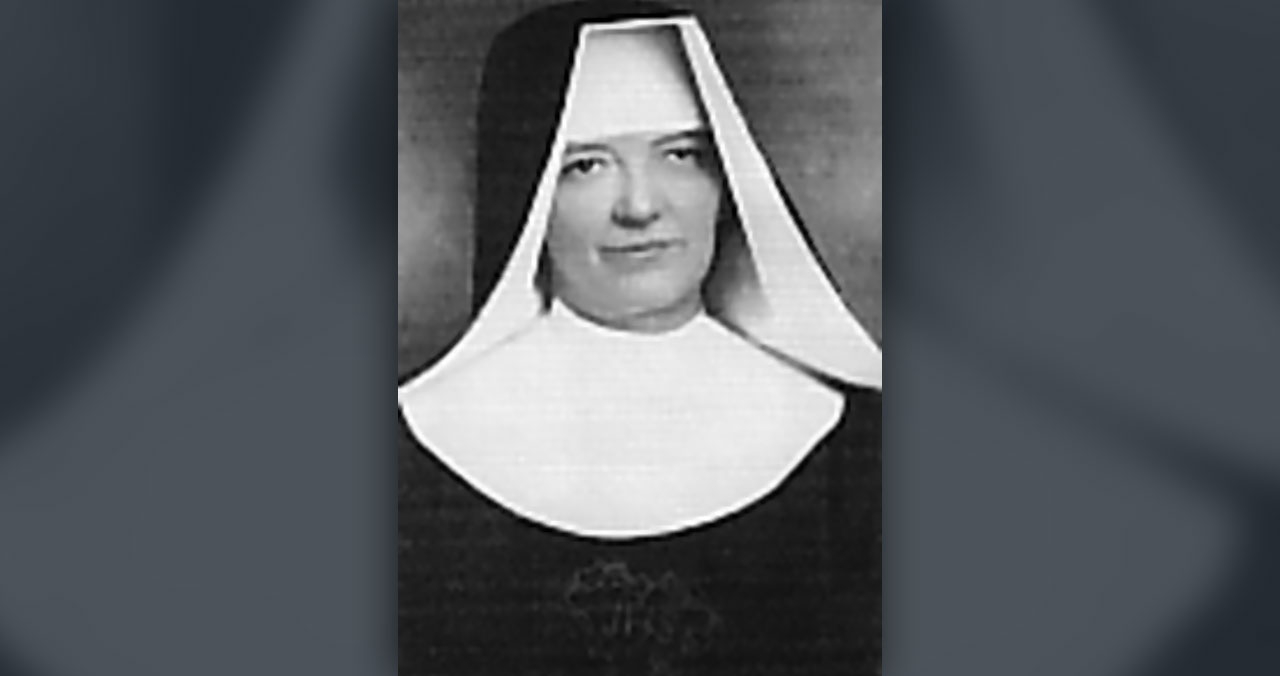
Maria Teresa di San Giuseppe (Tauscher)

Anna Maria Tauscher van den Bosch was born on 19th of June 1855 in Sandow, Brandenburg, (then in Germany, now in Poland), to deeply believing Lutheran parents.

Her father was a pastor of the Evangelical Church. At a certain point, however, dissatisfied with the religion of her father, Anna Maria, entered the Catholic Church. This happened on October 30, 1888, when she made her profession of Tridentine faith at the Church of the Holy Apostles in Cologne. This considered decision caused her, however, numerous humiliations and sufferings, so much so that she was soon expelled from her father's house and dismissed from her position as director of nursing at the psychiatric hospital in Cologne.

Left homeless and without work, abandoned by all, Anna Maria wandered for a long time before arriving at a refuge in a religious institute. Later she worked instead as a lady-in-waiting for a family. It was then that the young woman realized how in the streets of Berlin many children, mostly children of Italians too busy at work to look after their family, were miserably abandoned to themselves. Moved by compassion, she began to take care of them. In order to achieve this arduous goal she decided to found a religious community: the Congregation of the Carmelite Sisters of the Divine Heart of Jesus. She began her first Work near Berlin, where on July 2nd 1891 she opened the first house, which she baptized «Home for the homeless» and on 1st of August began to welcome the first three poor children, as well as gathering around her other companions eager like herself to help the most unfortunate.

Her charity, however, was not limited exclusively to children. Mother Maria Teresa of St. Joseph, this is the name she took in religion, also took care of the elderly, of those who were alone, abandoned, far from the Church, of emigrants, of simple workers who in some way found themselves homeless.

In 1897 she was aggregated to Carmel at the Generalate of the Discalced Carmelites. She founded the first house in Holland in 1898, the first novitiate in Sittard in 1899 and yet another novitiate in Maldon in 1901. Her great devotion to St. Joseph led her to place all the houses of the Work under the protection of the Spouse of Mary.

In 1903 she made her first trip to Rome, and after a few months she went to Cremona to start the activity in favour of poor children, in the house of the Honourable Ettore Sacchi. In 1904 Mother Maria Teresa of Saint Joseph returned to Rome for the third time, to inaugurate the Mother House in Rocca di Papa, opened with the help of Cardinal Francesco Satolli and the Discalced Carmelites. It was precisely on that occasion that her congregation received its definitive name, already mentioned above.

Mother Maria Theresa of St. Joseph finally died on September 20, 1938 near Sittard, Holland.

The beatification ceremony took place on May 13, 2006. 


Related Posts

Accordion Menu

Newsletter Subscribe

Articles - Category